
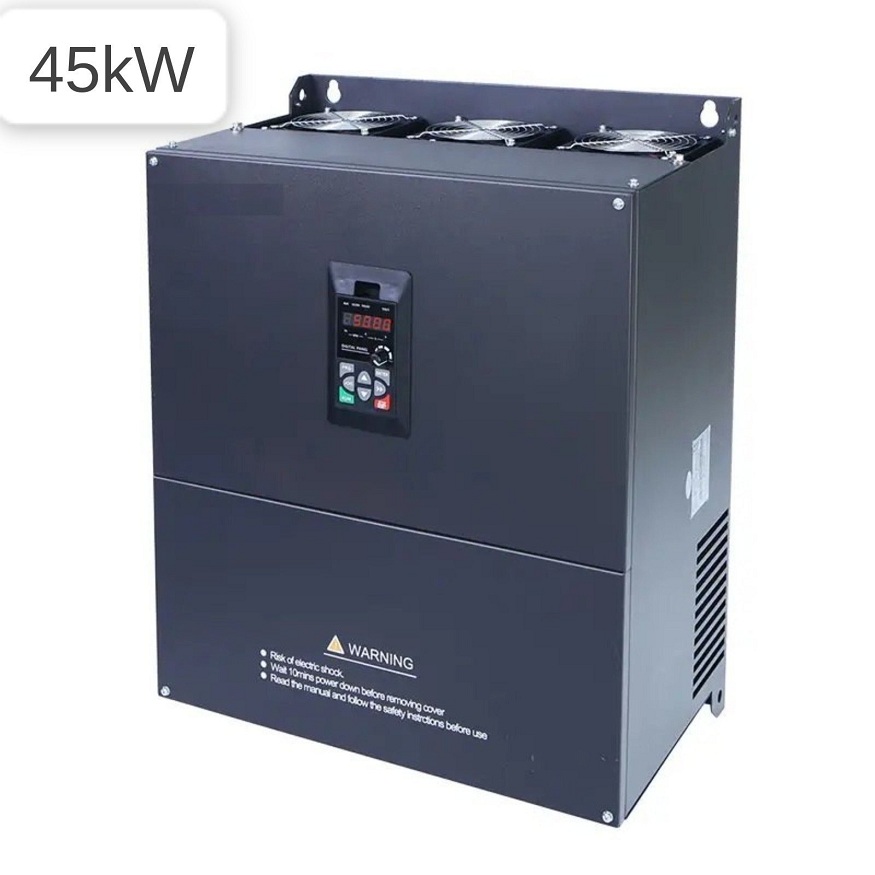
A Complete Guide to Frequency Converters for Industrial Applications
Frequency converters optimize motor speed, dramatically lower energy consumption, and extend the operating life of heavy industrial equipment. By converting fixed-frequency utility power into adjustable-frequency alternating current, these devices allow operators to control motor acceleration, torque, and rotational speed with pinpoint accuracy. Implementing frequency converters transforms rigid, energy-intensive machinery into flexible systems that adjust precisely to real-time production demands.
Essential Industrial Applications and Operational Benefits
Industrial manufacturing environments utilize frequency converters across a broad spectrum of heavy equipment to achieve continuous process control. Pumps, fans, compressors, and conveyor systems benefit immediately from variable speed drives because their power consumption scales exponentially with operational speed.
- Pumping Stations: Adjusting impeller speed via frequency control replaces inefficient throttling valves, cutting fluid turbulence and reducing pump wear.
- HVAC Air Handling: Modulating fan speed based on duct pressure or temperature lowers electrical demand while maintaining consistent airflow.
- Conveyor Systems: Soft starting heavy material lines prevents mechanical shock to drive belts, gearboxes, and structural supports.
- Compressor Units: Matching motor output directly to air demand prevents frequent start-stop cycles that heat up motor windings.
Core Operational Mechanics and Power Conversion
A frequency converter alters input electrical power through a precise three-stage transformation process. The incoming utility power, typically operating at a fixed 50 Hz or 60 Hz frequency, first enters a rectifier bridge that converts alternating current into direct current. High-capacity bus capacitors then smooth out voltage ripples, creating a stable direct current link that feeds the output section.
Read More: HOW TO DEVELOP AN AI-ENHANCED CONTENT STRATEGY FOR THE IT SECTOR (TOPICS & CONTENT CALENDAR)
The final stage utilizes insulated-gate bipolar transistors within an inverter circuit to synthesize a new alternating current waveform. By rapidly pulsing the direct current voltage at varying widths, the inverter generates an adjustable frequency and voltage output tailored to the connected motor. This precise control eliminates sudden current spikes during startup, shielding internal motor windings from destructive thermal and mechanical stress.
Thermal Management and Installation Considerations
Reliable frequency converter operation hinges on proper installation practices, effective thermal management, and robust electrical shielding. Solid-state power electronics generate considerable internal heat during power conversion, requiring well-ventilated control enclosures or dedicated liquid cooling loops in high-power setups. Dust, humidity, and conductive airborne contaminants must be kept clear of sensitive circuit boards using appropriate IP-rated protective cabinets.
Harmonic distortion represents another important factor during system design. The fast switching action of internal inverter transistors can send harmonic noise back into the facility power grid, potentially disturbing sensitive control instrumentation nearby. Installing line reactors, passive harmonic filters, or active front-end converters neutralizes electrical noise, maintaining clean utility power across the entire facility.
Read More: ACCELERATING TEAM PRODUCTIVITY WITH EXPERT ATLASSIAN CONSULTING AND MANAGED SERVICES
Conclusion
Frequency converters represent an indispensable asset for modern industrial facilities seeking higher operational efficiency, precise machine control, and reduced maintenance costs. Regulating motor speed directly lowers utility expenses while protecting expensive mechanical infrastructure from destructive startup stress. Proper technology selection, sound thermal planning, and harmonic mitigation ensure seamless integration into existing control systems. Investing in robust frequency conversion technology equips your facility with the flexibility and reliability required to maintain peak production performance.